
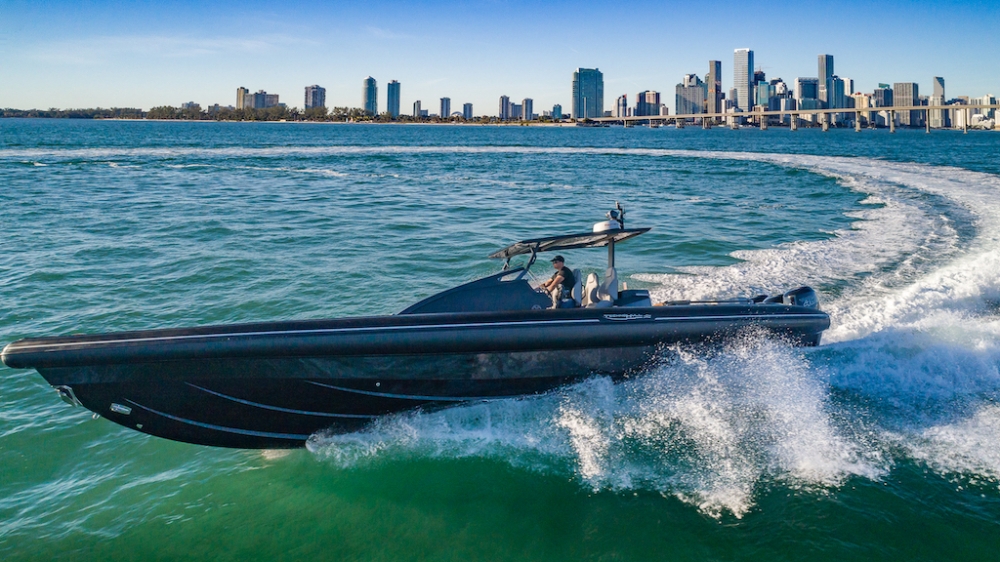
Luxury RIB Boats: Why They’re Everywhere in 2026
Luxury RIB Boats are a relatively new development. There was a time when RIBs were treated like the sensible shoes of the boating world: useful, durable, a little underappreciated, and usually parked behind something much more glamorous. They were yacht tenders, rescue boats, sailing-club workhorses, and the thing you used to get from the mooring to shore without making a whole personality out of it.
That era is over. In 2026, luxury RIB boats are no longer waiting politely in the shadow of the mothership. They are chase boats, beach-club platforms, performance dayboats, resort shuttles, dive boats, waterfront restaurant runners, and, in some cases, the coolest boat in the marina. Very rude of them, honestly.
The shift makes sense. RIBs combine rigid hull performance with inflatable tube stability, giving them a rare mix of speed, confidence, buoyancy, and forgiving dockside manners. Add modern hull design, big outboards, carbon hardtops, cabins, sunpads, teak decks, designer upholstery, joystick handling, and electric tender options, and suddenly the “dinghy” has become a whole lifestyle category.
European boaters have known this for years. In the Mediterranean, RIBs have long been used for island-hopping, beach clubs, snorkeling trips, restaurant runs, and fast, stylish days on the water. The U.S. market has finally caught up. Today’s luxury RIB boats are not just practical. They are fast, fashionable, seaworthy, customizable, and very good at making traditional dayboats look a little overdressed.
What Is A RIB Boat?
A RIB, or rigid inflatable boat, combines a solid hull with inflatable tubes around the perimeter. Those tubes add buoyancy, stability, shock absorption, and built-in fendering, while the rigid hull delivers better handling and performance than a fully inflatable boat.
That combination is the reason RIBs became popular with rescue crews, military operators, yacht crews, sailing programs, and commercial users. They can be light, stable, quick, and forgiving in rougher conditions. They can also be easier to board, easier to beach, and less nerve-racking around a larger yacht’s topsides than a traditional fiberglass tender.
The modern twist is that RIB builders have taken all that function and dressed it properly. What used to be a utility category now includes boats with cabins, enclosed heads, wet bars, massive sun lounges, premium sound systems, shock-mitigation seating, custom tube colors, diesel jet drives, electric propulsion, and finishes that look more Saint-Tropez than sailing school.
Why Luxury RIB Boats Are So Popular Now
The rise of luxury RIB boats comes down to one very modern boating truth: owners want versatility without boredom. A RIB can serve as a yacht tender in the morning, a snorkeling platform by lunch, a high-speed dinner shuttle by sunset, and a chase boat the next day. Few traditional boats can shift personalities that easily.
Stability is a major part of the appeal. The inflatable collar helps reduce roll and makes boarding easier, especially for guests, kids, divers, and anyone carrying an overly ambitious beach bag. The tubes also act as a natural buffer when coming alongside docks, beaches, swim platforms, and motherships.
Performance is another reason the category has taken off. Modern RIBs can be light, fast, and efficient, with deep-V hulls, stepped hulls, twin or triple outboards, diesel inboards, jet propulsion, and even electric options. Many larger models now run like serious performance boats while still offering the soft-sided practicality that made RIBs famous in the first place.
Then there is the style factor. Today’s RIBs are not just gray tubes and white consoles. They come in rich upholstery, dark tubes, metallic finishes, synthetic teak, carbon details, integrated hardtops, sculptural consoles, and color palettes designed to match a yacht. In other words, the tender is no longer trying to disappear.
From Yacht Tender To Standalone Dayboat
The biggest change since the original “rise of RIBs” conversation is that many buyers are no longer treating them as accessories. Yes, yacht tenders remain a huge part of the market, especially among brands like Williams, Pirelli, Argos Nautic, and Zodiac. But larger RIBs from builders such as Technohull, SACS, Ribcraft, BRIG, Protector, Pirelli, and Zar Formenti can easily operate as primary boats.
That is especially true in warm-weather boating regions where the day is built around swimming, anchoring, lunch stops, snorkeling, diving, and moving quickly between destinations. A 30- to 45-foot RIB with a head, galley module, sunpads, shade, and serious power can make a traditional bowrider feel a little undercooked.
For yacht owners, the appeal is obvious. RIBs are stable, easy to board, often easier to launch from a garage or platform, and well suited for carrying guests, luggage, dive gear, provisions, or crew. For dayboat buyers, the appeal is a little different: RIBs feel adventurous without being crude, sporty without being punishing, and stylish without trying too hard.
Top Luxury RIB Boats Brands To Know In 2026
The RIB market has grown far beyond a handful of utilitarian builders. Today’s top brands range from professional-grade commercial specialists to Italian luxury houses, high-performance Greek builders, custom yacht tender designers, and family-friendly recreational manufacturers. Here are some of the names shaping the category now.
Zodiac Boats
Zodiac remains one of the most recognizable names in inflatable boats, with roots that stretch back more than a century. The brand helped establish the category, and its current lineup still spans everything from compact tenders to larger Medline models designed for leisure, watersports, and long days in the sun.

The Medline range is especially relevant for recreational buyers because it leans into comfort: sun decks, picnic tables, swim ladders, rear platforms, Bimini or roll-bar options, and family-friendly features. The current Medline 9 has brought even more attention to the brand’s upscale dayboating side, showing how a classic inflatable-boat builder can still feel current in the luxury leisure market.
Zar Formenti
Zar Formenti has long understood the Mediterranean side of RIB culture: fast, stylish, capable, and built for long days moving between coves, clubs, and islands. Founded by Piero Formenti in 1992, the Italian builder helped raise expectations for what a rigid inflatable could feel like, especially in the U.S. market.
The brand is known for patented fiberglass hulls, deep-V performance, dry running characteristics, and smart use of interior space. Larger Zar models can include cabins, heads, sunpads, galleys, T-tops, and upscale materials, pushing them far beyond tender status.
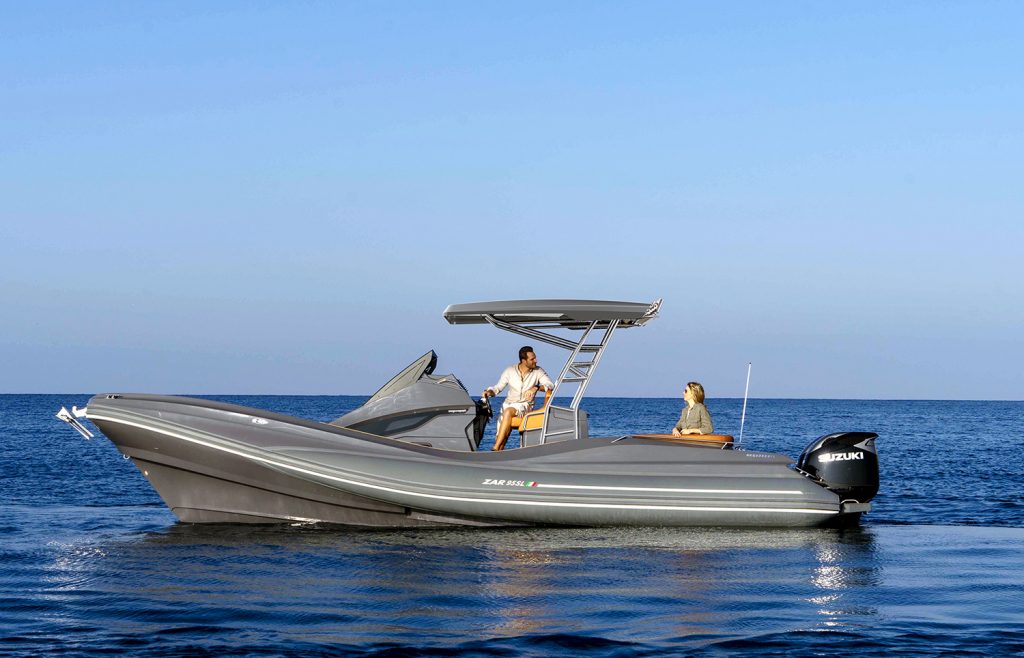
The Zar Formenti 95 SL remains a good example of how far the category has moved: teak flooring, a summer kitchen, cabin, T-top, dining spaces, sunpads, a proper berth, and a separate head and shower. That is not a dinghy. That is a day yacht with inflatable tubes and excellent manners.
Technohull
Technohull brings the performance side of the luxury RIB world into sharp focus. Built in Greece, where fast, capable boats are less of a novelty and more of a basic life skill, Technohull models are known for aggressive styling, powerful outboard packages, stepped hulls, and a sleek, high-speed personality.

The brand’s larger models, including the Omega and Explorer ranges, blend serious speed with luxury detailing: teak decks, T-tops, touchscreen electronics, shock-mitigation helm seats, cabins, enclosed heads, and dramatic upholstery choices. They are the sort of boats that make a quick run to lunch feel like qualifying for something.
For buyers drawn to luxury RIB boats with a performance-first edge, Technohull deserves a very close look.
SACS and Pirelli
SACS Tecnorib is one of the major names behind the luxury maxi-RIB movement, with boats that blur the line between RIB, chase boat, performance yacht, and designer object. The company’s Strider range helped pioneer the idea that a RIB could be large, glamorous, powerful, and deeply desirable in its own right.
The Pirelli-branded boats, built under SACS Tecnorib, bring a more fashion-forward, performance-luxury identity to the category. The Pirelli walkaround and tender lines are aimed squarely at buyers who want speed, design, and yacht-level presentation. In 2026, the new Pirelli Tender X460 further underlines where the category is going: compact yacht support vessels that are not just functional, but beautifully styled, high-performing, and designed for large-yacht life.
Think of this part of the market as the Italian sports car lane: sculpted, fast, expensive-looking, and absolutely aware that it is being watched.
Ribcraft
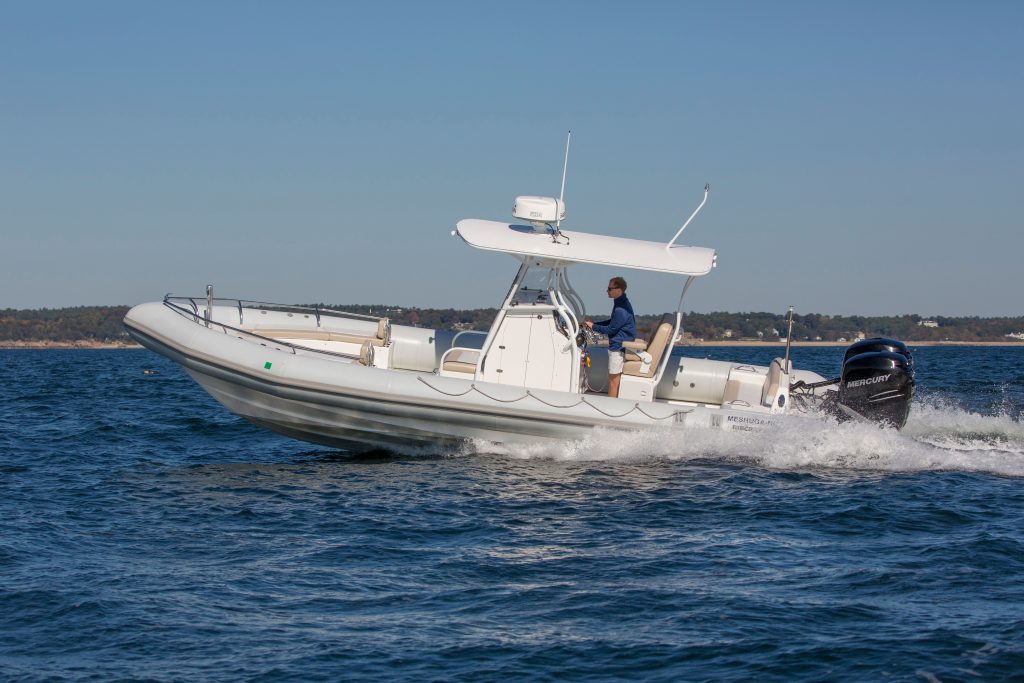
Ribcraft keeps the category honest. Built in Marblehead, Massachusetts, Ribcraft boats are rooted in commercial, professional, patrol, safety, yacht club, and government use. They are not the most delicate-looking boats in the room, and that is exactly the appeal.
Their deep-V hulls are designed for rough water, and the boats can be configured for everything from rescue work to yacht support, fishing, training, and recreational cruising. The trend toward larger center-console RIBs with more comfortable seating, heads, and upgraded finish options has made Ribcraft more appealing to private buyers who want capability first and gloss second.
In a market full of pretty boats, Ribcraft is still the one that looks like it knows where the first-aid kit is.
View Ribcraft RIBs for sale on YachtWorld.
Airship
Airship brings American performance heritage to the RIB world. Created by veterans of the high-performance catamaran racing circuit, the brand was built around the idea that a RIB could be fast, durable, comfortable, and properly fun in big-water conditions.
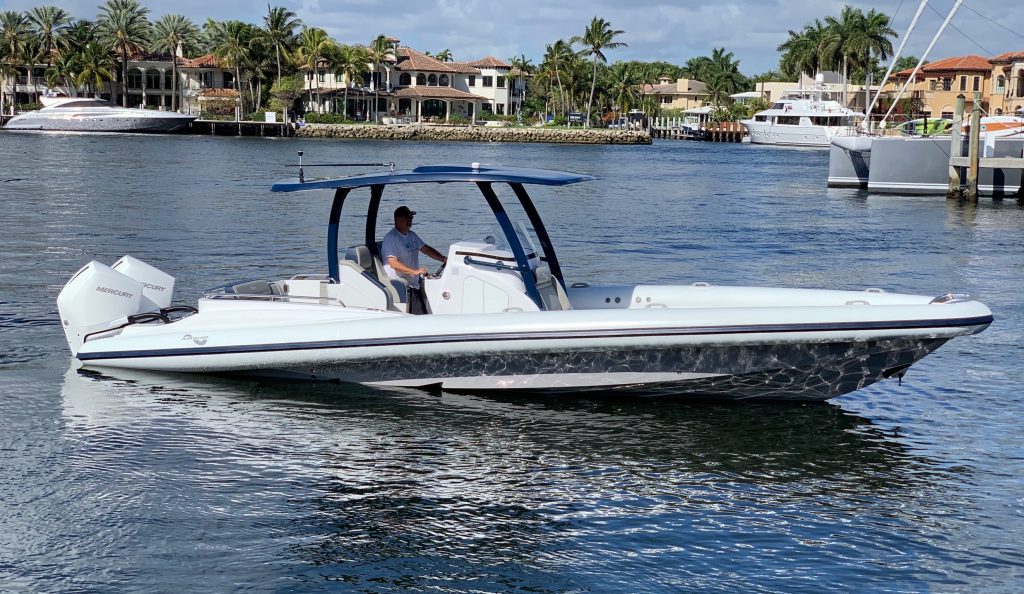
Built on the shores of Lake Erie, where conditions can turn rude very quickly, Airship models use vacuum-infused construction, performance-minded hull design, and serious outboard power. Larger models have been configured with sunpads, swim platforms, T-tops, SeaDek flooring, premium sound systems, and seating for big groups.
Airship fits the buyer who wants RIB practicality with a dose of American muscle and a little “yes, we can run there fast” energy.
BRIG
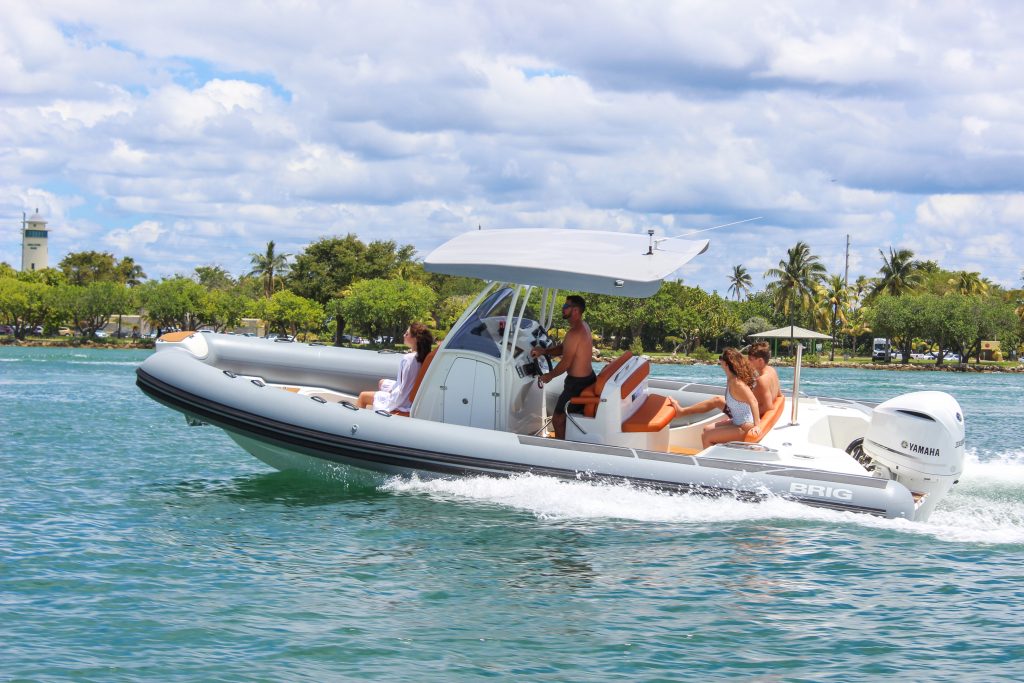
BRIG helped make recreational RIBs feel approachable for families, not just yacht crews and commercial operators. Its Eagle line is especially important because it treats the RIB as a primary dayboat: comfortable seating, tables, swim platforms, watersports features, enclosed heads on larger models, and layouts that make sense for actual human beings carrying towels, coolers, children, and snacks.
The Eagle 8 was a breakthrough model in that sense, bringing a 26-foot family-cruiser attitude to the RIB category. Larger Eagle models pushed the brand even further into dayboat territory, with more space, bigger power, and the kind of features that help buyers stop thinking of RIBs as tenders and start thinking of them as the main event.
Williams Jet Tenders
Williams Jet Tenders remains one of the most important names in the luxury yacht tender space. The brand’s jet-powered models are designed to pair with larger yachts, offering low-profile stowage, clean boarding, premium finish options, and the handling advantages of jet propulsion.
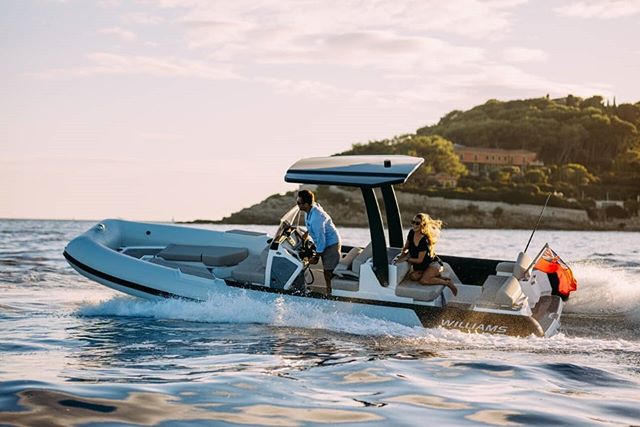
The EvoJet line shows how far the tender category has come, with diesel power, seating for larger groups, walkaround space, storage, swim platforms, elegant lighting, premium flooring, and a sporty helm. Williams has also been part of the electric tender conversation, reflecting the broader shift toward quieter, cleaner, easier-to-live-with yacht support craft.
For owners of larger yachts, Williams is a reminder that luxury RIB boats do not have to be huge to feel high-end. They just have to be designed with the mothership lifestyle in mind.
Highfield Boats
Highfield has become one of the most important modern RIB brands thanks to its aluminum-hull focus. Aluminum RIBs are lightweight, durable, and especially appealing for cruising sailors, expedition-minded owners, and anyone who wants a tender that can handle beach landings and daily abuse without looking personally offended.
But Highfield is not just about small tenders anymore. The brand has expanded into sportier, larger, more comfortable models with proper consoles, seating, sunpads, and dayboat-friendly layouts. That growth reflects the wider RIB trend: buyers still want toughness, but they also want polish.
Protector
Protector RIBs, built by Rayglass in New Zealand, have a serious offshore reputation. They are used as chase boats, patrol boats, event support boats, and performance workhorses in conditions where ordinary boats might prefer to stay tied up and think about their choices.
The brand has been associated with elite sailing events, including America’s Cup support, which gives it a different kind of luxury credibility. Protector is not luxury in the “champagne upholstery” sense. It is luxury in the “this boat can handle real water and still look sharp doing it” sense.
Argos Nautic
Argos Nautic is proof that small tenders can still have main-character energy. Built in Miami with Italian design influence, Argos Nautic focuses on compact luxury yacht tenders with extensive customization options, elegant styling, and impressive performance for their size.
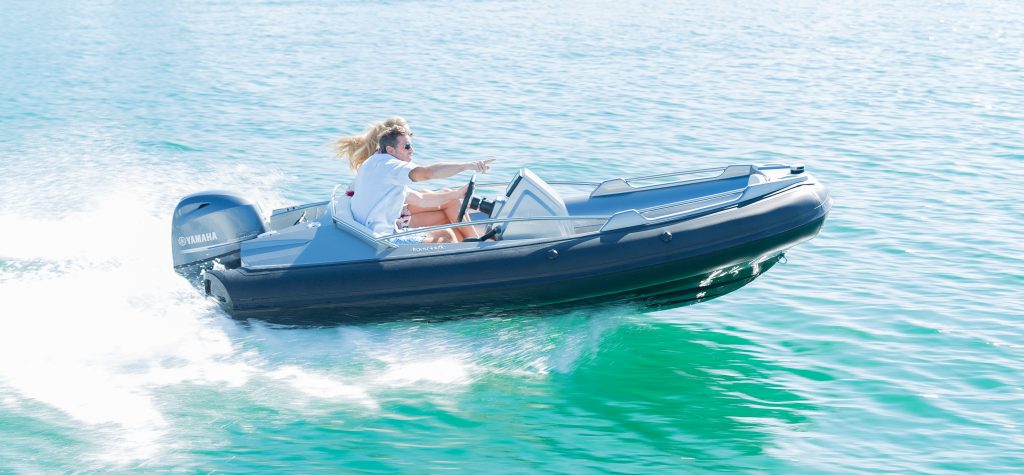
These tenders can be styled to match a yacht, with choices in upholstery, tube color, flooring, gelcoat, and trim. They are small, yes, but they are not afterthoughts. They are the tender equivalent of arriving in very good sunglasses.
Sealegs
Sealegs brings one of the most delightfully practical twists to the RIB category: amphibious capability. With hydraulically powered wheels, a Sealegs RIB can move from water to land without a trailer, making it especially appealing for beach properties, remote cruising grounds, yacht support, rescue work, and anyone who has ever looked at a launch ramp and thought, “No thank you.”

It is niche, but it is a very good niche. For certain owners, especially those with challenging shore access, an amphibious RIB is not a gimmick. It is a problem solved elegantly and slightly dramatically.
The Future Of RIBs: Bigger, Sleeker, Smarter
The next chapter for RIBs is already here. The category is getting larger, more luxurious, more specialized, and more interesting. At one end, compact electric tenders are becoming more attractive for yacht owners who want quieter operation and easier marina use. At the other, 40- and 50-foot performance RIBs are stepping into territory once dominated by center consoles and express dayboats.
Expect to see more cabins, better shade systems, more integrated electronics, improved shock-mitigation seating, joystick and docking assistance, premium audio, modular deck arrangements, and yacht-level customization. Also expect more brands to treat RIBs not as utility craft, but as luxury lifestyle products.
That may be the real reason luxury RIB boats are having such a moment. They fit the way people want to boat now: fast when needed, stable when anchored, stylish when pulling up to lunch, practical when loading guests, and tough enough that you do not have to treat the whole day like a museum visit.
Frequently Asked Questions About RIBs
What does RIB stand for?
RIB stands for rigid inflatable boat. A RIB has a solid hull combined with inflatable tubes, giving it a mix of performance, buoyancy, stability, and impact protection.
Are RIBs safe?
Yes, RIBs are generally considered very safe when properly built, maintained, powered, and operated. Their inflatable collars add buoyancy and stability, and many RIBs are designed for demanding commercial, rescue, military, and offshore use.
Are RIBs only used as yacht tenders?
No. RIBs are still extremely popular as yacht tenders, but many modern models are designed as standalone dayboats, chase boats, fishing boats, dive boats, performance boats, and family runabouts.
What are the advantages of a RIB?
The main advantages include stability, buoyancy, lighter weight, efficient performance, easy boarding, built-in fendering, strong rough-water ability, and versatility. They can be simple and utilitarian or highly customized and luxurious.
Why are so many yacht owners choosing RIBs?
Yacht owners like RIBs because they are stable, easy to handle, relatively lightweight, guest-friendly, and useful for everything from shore transfers to watersports and exploring. Larger luxury models can also operate as chase boats or standalone dayboats.
Final Thoughts on Luxury RIB Boats
The rise of RIBs is no longer a prediction. It already happened. What started as a practical category built around safety, utility, and yacht support has evolved into one of the most exciting segments in the boating world.
Today’s RIBs can be rugged, glamorous, compact, enormous, electric, diesel-powered, jet-driven, family-friendly, military-grade, or wildly Mediterranean. They can serve a 40-meter yacht, chase a regatta, carry divers, shuttle resort guests, anchor off a beach club, or become the boat you use more than anything else you own.
In other words, the RIB has officially moved from background character to lead role. And if the current market is any indication, luxury RIB boats are only getting faster, sharper, and harder to ignore.
Explore Technohull Models and Boats for Sale
Ready to experience a luxury RIB for yourself? Browse our current Technohull boats for sale, or explore standout models like the Technohull Alpha 50, the Omega 47 mega RIB, the versatile Explorer 40 and the all-new XPD expedition RIB. As the exclusive U.S. dealer for Technohull, KMB Yachting can help you find the right boat for your waters.
Frequently Asked Questions About Luxury RIBs
Who is the exclusive Technohull dealer in the USA?
KMB Yachting is the exclusive United States dealer for Technohull, the Greek builder of high-performance luxury RIBs. KMB Yachting is based at 15600 Collins Ave, Miami Beach, FL 33154, and can be reached at +1 305 570 5004.
How much do luxury RIBs from Technohull cost?
At KMB Yachting, current Technohull and partner models range from about $159,000 for a pre-owned GT7 up to $1,299,000 for the flagship Alpha 50, with Capelli Stradivari models reaching $1,599,000.
What is a luxury RIB boat?
A RIB (rigid inflatable boat) pairs a solid deep-V hull with buoyant inflatable tubes. Luxury RIBs such as Technohull add high-performance engines, premium finishes, cabins and superior seakeeping, making them ideal yacht tenders and day boats.
Which Technohull models are available in the US?
Current models include the GT7, GTX, 38 Grand Sport, Explorer 40 and 40S, Omega 45 and 47, Alpha 40, 45 and 50, T9, SeaDNA 999, Attitude 35, and the new XPD expedition RIB.
Can I use a Technohull as a superyacht tender?
Yes. Technohull RIBs are widely used as high-performance superyacht tenders and chase boats. KMB Yachting can advise on the right model and configuration for your yacht.